
Spa Mariana
Retreat, Relax & Rejoice In Tranquility
Corporate Wellness Is No Longer a Luxury
It’s a Leadership Strategy
By Maciek Lyko
Corporate
Wellness
Is No Longer
a Luxury
It’s a Leadership
Strategy
By Maciek Lyko
Corporate Wellness, for decades, was treated as a “nice-to-have.” A perk. A yoga class once a week. A fruit bowl in the break room. Something added after performance targets, KPIs, and quarterly reports were already defined.
That era is over.
Today, workplace wellness is no longer a luxury—it’s a core leadership strategy. And the leaders who understand this are the ones building resilient teams, retaining top talent, and outperforming competitors in ways that spreadsheets alone can’t explain.
After more than 25 years in the wellness industry—working with executives, entrepreneurs, therapists, and corporate teams across multiple countries—I’ve seen one truth repeatedly confirmed:
Burned-out people cannot build sustainable success.

The Hidden Cost of Ignoring Corporate Wellness
Let’s start with the uncomfortable reality.
Stress-related issues are now among the leading causes of absenteeism, presenteeism, and employee turnover. Chronic stress shows up in the workplace as:
- Poor decision-making
- Emotional reactivity
- Decreased creativity
- Increased conflict
- Silent disengagement
Many high performers don’t quit loudly. They stay—but they disengage. They do the minimum. They stop innovating. They lose their edge.
From a leadership perspective, this is incredibly expensive.
Yet many organizations still treat corporate wellness as a reactive measure—something to address after burnout appears, rather than a proactive investment in performance.
Corporate Wellness as a Performance Multiplier
If workplace wellness is positioned correctly, it stops being about pampering and starts being about capacity.
Capacity to:
- Focus deeply
- Regulate emotions under pressure
- Recover faster from stress
- Think strategically instead of reactively

In my work with corporate clients, I’ve seen that even small, intentional wellness initiatives can create outsized results.
Example:
One executive team I worked with introduced structured recovery practices into their leadership rhythm—short, scheduled reset moments during high-stakes weeks. The result wasn’t fewer hours worked. It was better hours worked. Decision fatigue dropped. Meetings became shorter. Outcomes improved.
Wellness didn’t reduce ambition. It sharpened it.
Why Leaders Must Model Corporate Wellness First
- Protect recovery time as fiercely as meeting time
- Normalize asking for support
- Model emotional regulation under stress
- Understand that rest is not weakness—it’s strategy
This doesn’t make leaders softer. It makes them stronger and more sustainable.
From Perks to Systems
There’s a big difference between offering wellness perks and building wellness systems.
Perks are occasional.
Systems are embedded.
A strategic wellness approach might include:
- Preventive stress management, not just crisis response
- Body-based recovery practices for high-cognitive roles
- Education on nervous system regulation for managers
- Wellness touchpoints aligned with business cycles (not random events)
When wellness is integrated into how work is structured—not just added on top—it becomes part of how performance is sustained.
The Executive Blind Spot: The Body
We often talk endlessly about mindset, vision, and strategy, in leadership circles. However, we speak far less about the body—even though every decision, reaction, and interaction runs through it.
Chronic tension, poor sleep, and unmanaged stress don’t stay personal in reality. Instead, they spill directly into leadership behavior and decision-making.
For example, I’ve worked with leaders who believed they had a “people problem,” when, in fact, they had a regulation problem. Once their physical stress load was addressed, their communication improved almost immediately.
Therefore, modern corporate wellness programmes must go beyond apps and seminars. More importantly, it must address the human system as a whole—integrating mind and body rather than treating them separately.

HR’s Evolving Role: From Benefits Manager to Culture Architect
HR leaders are no longer just administrators of benefits. They are becoming architects of workplace culture.
The most forward-thinking HR teams are asking:
- How do we design work that people can sustain for years—not just quarters?
- How do we reduce burnout before it becomes medical leave?
- How do we retain high performers without sacrificing their health?
Whenever HR and leadership align on wellness as a strategic priority, the organization becomes more attractive, more human, and more competitive.
The Future of Leadership Is Regulated, Not Reactive
The next generation of successful leaders will not be the ones who can endure the most stress—but the ones who can recover the fastest and lead with clarity under pressure.
Wellness is no longer about candles and calm music.
It’s about:
- Emotional intelligence
- Nervous system regulation
- Sustainable performance
- Long-term leadership capacity
In other words, it’s about results.
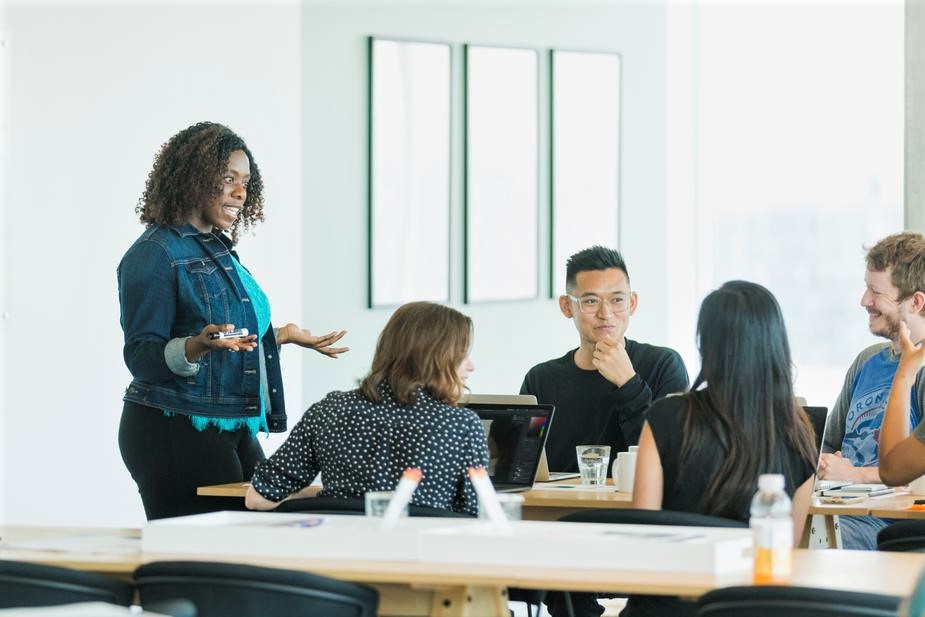
Final Thought
If you’re a leader or HR professional still viewing wellness as a cost center, I invite you to shift the question.
Instead of asking: “Can we afford to invest in wellness?” Ask: “Can we afford not to?”
Because in today’s world, wellness isn’t separate from leadership. It is leadership.
For leaders looking to support real recovery and nervous system regulation, our spa gift cards offer a practical extension of corporate wellness in action.
Post comments
"*" indicates required fields
Footer
BIRMINGHAM, MI
248-792-2050
223 N Eton St
Birmingham, MI 48009
(map & directions)
Leave Google Review – Birmingham
Monday: Closed
Tuesday: 10.00 am – 4:30 pm
Wednesday- Saturday: 9.00 am – 9.00 pm
Sunday: 12:30 pm – 7.00 pm

BLOOMFIELD HILLS, MI
248-592-4300
6447 Inkster Rd
Bloomfield Hills, MI 48301
(map & directions)
Leave Google Review – Bloomfield Hills
Open 6 days a week. By appointment only.
GIVE A GIFT OF SPA
Gift cards for any amount In-store mailed or emailed.